
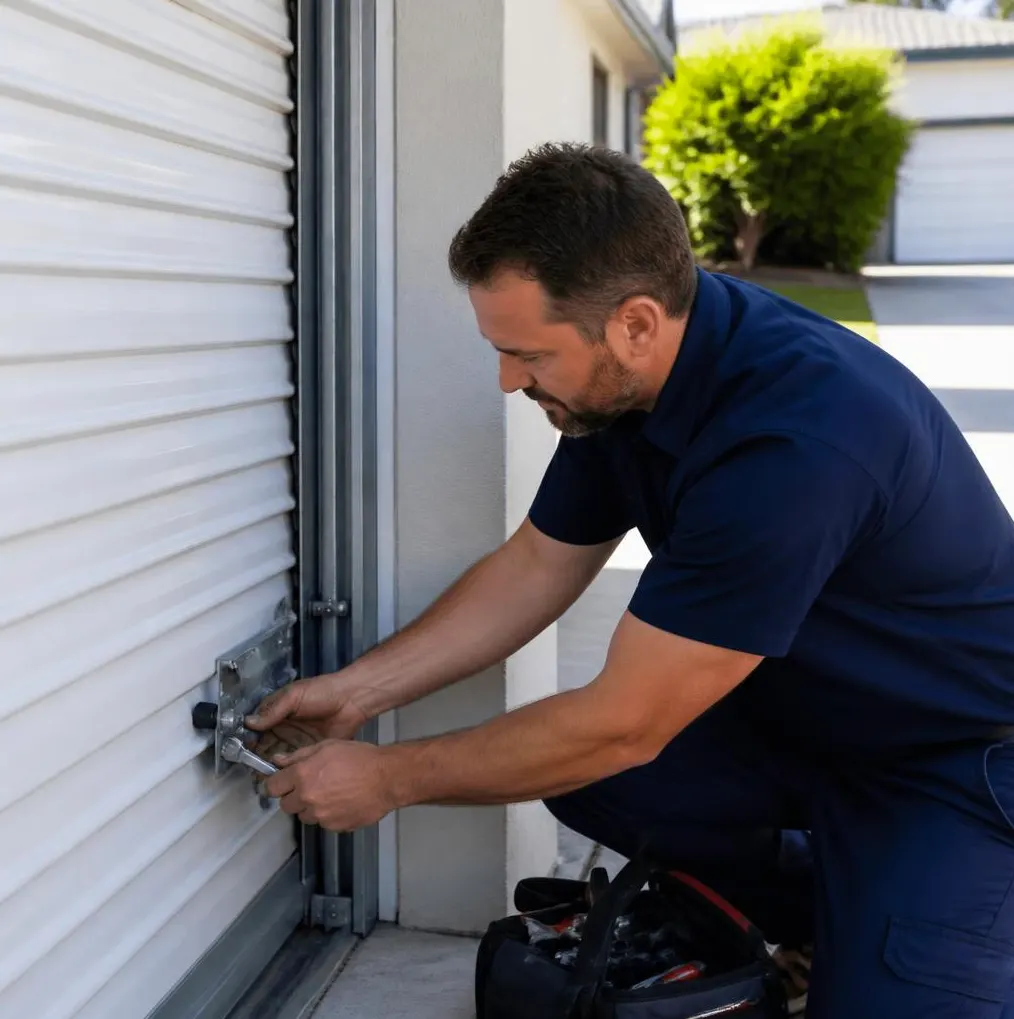
What a Technician Usually Finds
A typical fall or winter service call starts the same way: the opener runs but the door barely moves, or it moves partway and reverses, or the remote works from inside the garage but not from the driveway. Sometimes the light on the unit blinks a few times and nothing happens at all. The homeowner usually says the same thing too — it's been getting worse for months, and now it just quit. By the time it fails completely, there's almost always a choice to make: repair the opener that's there, or replace the whole unit.
The Real Question Isn't Age — It's What's Actually Broken
Openers don't fail all at once. They fail one part at a time, and which part it is changes the math completely.
When Repair Still Makes Sense
- Dead or weak remote/keypad: Often a $15–$30 battery or reprogramming fix, not a unit problem.
- Misaligned safety sensors: Common after someone bumps a sensor bracket while parking or storing bikes — a five-minute realignment, not a replacement.
- Worn drive chain or belt: On an opener that's otherwise under 8–10 years old, swapping the chain/belt kit is usually the cheaper move.
- Loose or stripped gear kit: A grinding noise with no movement is frequently a plastic gear that's worn out. National parts-and-labor costs for this kind of repair typically run in the $100–$300 range.
- One failed capacitor or logic board on a newer unit: If the opener is less than five years old, a board swap can be cheaper than starting over.
When Replacement Is the Smarter Long-Term Move
- The opener is 12+ years old: Motor windings and circuit boards degrade with age and with repeated humidity and temperature swings; even a successful repair often buys only another year or two.
- Repeated board failures: If you've replaced a circuit board once already and something else has failed since, the unit is telling you it's done.
- No rolling-code security or battery backup: Older openers lack rolling codes (a real security gap) and battery backup, which matters a lot here during ice storms and spring storm season when power blips are common.
- Noisy chain-drive units in homes with living space above or beside the garage: A belt-drive replacement is quieter and often worth the upgrade cost on its own.
- You want smart-home or smartphone control: Retrofitting a modern opener onto very old hardware isn't always reliable; a full replacement does it cleanly.
The 5-Year Cost Picture, Side by Side
- Repair path: One repair now (national range roughly $100–$300), with a moderate chance of a second repair within 3–5 years on an aging unit (another $100–$300). Total realistic 5-year cost on an older opener: often $200–$500, with no upgrade in safety features, noise level, or backup power.
- Replacement path: One installed unit now (national range roughly $350–$600 for a standard opener with battery backup and rolling-code security), then little to nothing for 5+ years beyond routine maintenance. Total realistic 5-year cost: usually the upfront number, plus the added value of a quieter motor, modern safety sensors, and power-outage protection.
On paper, a single repair is always cheaper than replacement in the short term. The trade-off shows up when you factor in the odds of a second failure, the age of the unit, and what you're giving up in security and reliability by keeping old hardware running.
Why the Local Climate Tips the Decision
Big seasonal swings are hard on garage door equipment generally, and openers aren't an exception. Summer humidity can swell wood or warp panel alignment enough that an aging opener strains against extra resistance it was never designed to overcome, accelerating gear and belt wear. Cold winters bring thickened grease, stiffer springs, and more overall resistance on the motor, which is exactly when an older unit is most likely to trip its overload protection or burn out a board. If your opener is already on its second repair and you're heading into another freeze-thaw winter, that's a strong signal to replace rather than patch again.
Our Recommendation for Typical Homes in This Area
For an opener under 8 years old with a single, identifiable failure (sensor, remote, chain, or one board), repair first — it's the cheaper call and usually holds up. For anything over 10–12 years old, especially a chain-drive unit without battery backup, replacement is the better five-year value once you account for a second likely repair, the security upgrade, and protection against the power interruptions that come with ice storms and spring weather here.
When to Call Ballwin Garage Door
If your opener is cycling erratically, reversing before it closes, or making new grinding or clicking noises, call before it fails completely during a storm or cold snap. Our technicians diagnose the actual failure point first — motor, board, gears, or sensors — and give you a straight comparison of repair versus Garage Door Opener Repair & Installation costs for your specific unit, no guessing involved. If the door itself is also showing wear, we'll fold in a quick check as part of our Garage Door Maintenance service so you're not solving one problem while another develops.
If your opener in Ballwin, MO is acting up heading into winter, call Ballwin Garage Door for a straightforward repair-or-replace diagnosis before it leaves you stuck.